Programmatic DOOH is buying digital out-of-home screens automatically, through software, instead of booking fixed sites by hand. You can target by audience, time and place, switch campaigns on in days and buy screens from several media owners in one deal.
This guide explains how it works, the main platforms and, crucially, how to make creative that clears approval on every screen. We build programmatic DOOH creative for brands and agencies.
Key Takeaways
- Programmatic DOOH buys digital screens automatically, often across several media owners at once.
- Key platforms include VIOOH, Vistar Media and Broadsign, plus DSPs such as DV360 and The Trade Desk.
- Buys can trigger by time, weather, location or live data.
- Each media owner keeps its own sizes, file limits and approval rules, so one buy needs several versions.
- Every dynamic campaign needs a default creative for when triggers don’t apply.
What Is Programmatic DOOH?
Programmatic DOOH applies the logic of programmatic display to screens in the real world. Media owners make their digital inventory available through supply-side platforms, and buyers bid or agree deals through demand-side platforms. Instead of a fixed two-week booking, you can buy specific hours, audiences or conditions.
The Main Platforms
- VIOOH: a supply-side platform for digital out-of-home, backed by JCDecaux, selling screens from JCDecaux and other media owners.
- Vistar Media: offers programmatic DOOH tools for buyers and media owners.
- Broadsign: software that runs many screen networks, with its own programmatic marketplace.
- DSPs: platforms such as DV360 and The Trade Desk can buy DOOH alongside display and video.
| Platform | What it is | Who uses it |
|---|---|---|
| VIOOH | DOOH supply-side platform, backed by JCDecaux | Media owners selling screens |
| Vistar Media | Programmatic DOOH tools | Buyers and media owners |
| Broadsign | Screen software and marketplace | Networks and buyers |
| DV360 / The Trade Desk | DSPs that include DOOH | Agencies and brands |
Triggers and Targeting
- Time of day: breakfast offers in the morning, after-work messages in the evening.
- Weather: ice cream in the sun, umbrellas in the rain.
- Location: screens near stores, venues or competitors.
- Live data: scores, prices, travel updates or stock levels.
Every triggered campaign needs a default creative that plays when no trigger is met.
The Creative Catch
Buying across media owners is easy. Making one file that works on all their screens isn’t. Each owner keeps its own canvas sizes, file limits, motion rules and approval process.
- Bauer Media Outdoor’s Adshel Live is 1080×1920 portrait, while its Billboard Live is 864×432 and static only.
- JCDecaux runs no motion on roadside screens and accepts files up to 100MB.
- Programmatic files on Bauer screens can be up to 20MB.
- Categories such as HFSS food and alcohol need extra clearance.
See the full specs on our Bauer Media Outdoor, JCDecaux and Global pages.
Building Creative for Programmatic DOOH
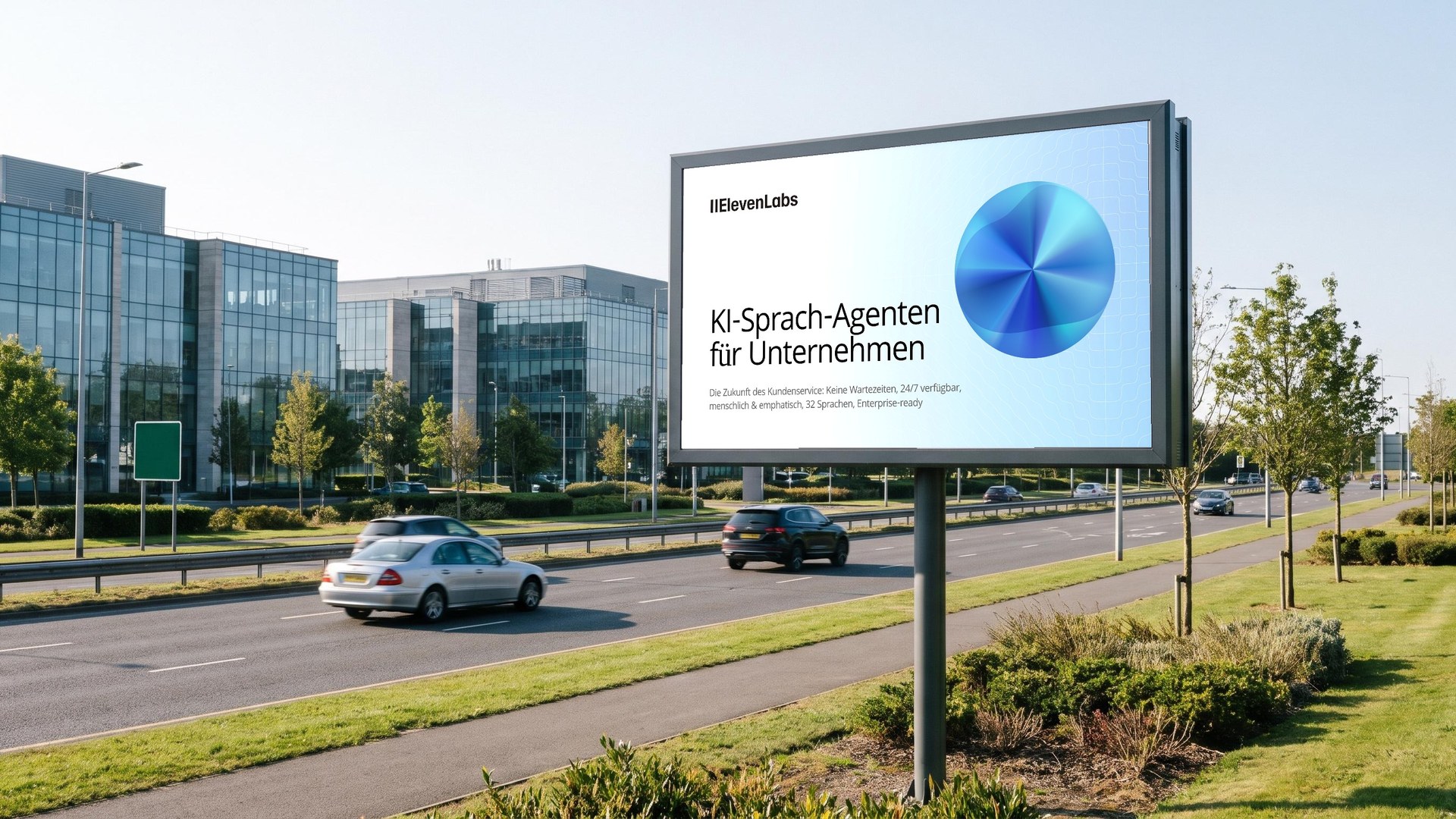
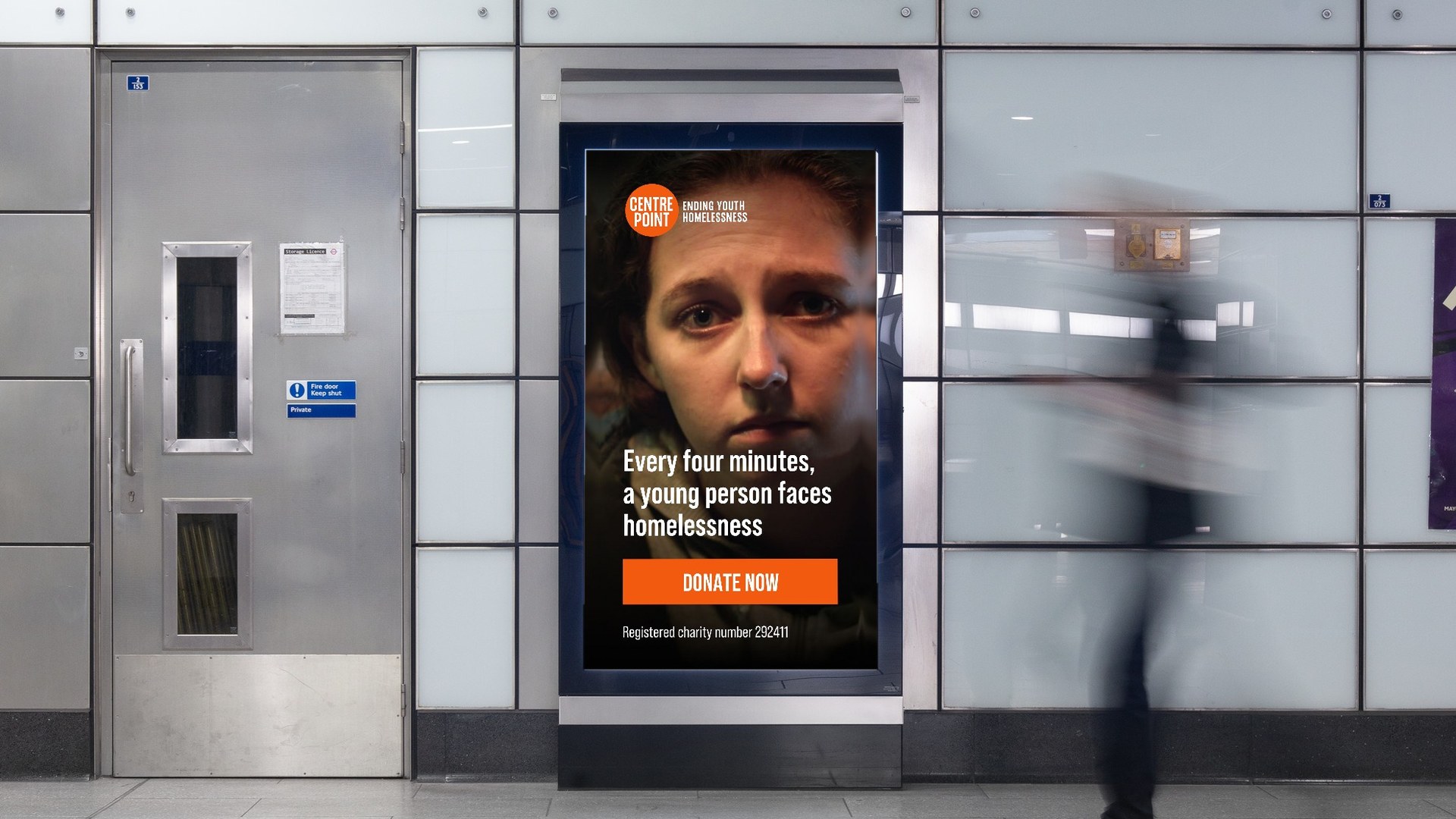
Programmatic DOOH is bought by impression through platforms such as VIOOH, Broadsign, Vistar and Hivestack, so one campaign can land on hundreds of screens from different owners. That changes production:
- Plan for every screen size on the deal, typically 1080 x 1920 portrait, 1920 x 1080 landscape and sometimes 4K. Ask the trading team for the frame list.
- Match slot lengths: networks run 5, 6, 10 or 15-second slots. Build a master and cut each length, rather than letting the player cut it for you.
- Static or motion per network: many roadside screens are static only. Supply both.
- Dynamic creative: when copy changes with time, weather or live data, build templates and feeds, not dozens of fixed files. Some networks accept HTML5; others need pre-rendered versions.
- Name versions clearly so the DSP can map each file to the right screens and triggers.
See our programmatic DOOH creative service and the D6 specs guide for the most common portrait size.
How to Plan Programmatic DOOH Creative
- Get the list of screens and media owners on the deal first.
- Group screens by canvas and rules, then design one master per group.
- Build trigger versions plus a default for each group.
- Submit for approval early; some owners need days for sensitive categories.
- Pair with HTML5 display and social so the message follows people online.
Last updated 14 November 2026.
Sources: Bauer Media Outdoor: Adshel Live spec, Bauer Media Outdoor: Billboard Live spec, JCDecaux UK: FAQs.
From Our Studio
Real campaigns we’ve built, with the full story in each case study.

Spa
Spa Duo launch creative on transport DOOH screens, alongside HTML5 display.
Read the case study
Kärcher
A modular DOOH and HTML5 system, delivered to every media owner’s spec.
Read the case study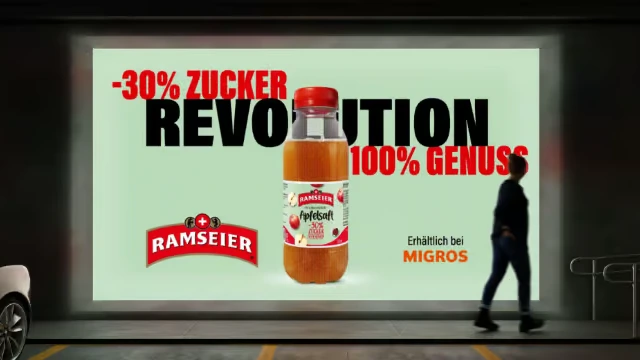
Ramseier
Reduced-sugar apple juice DOOH, built from the same idea as its interactive banners.
Read the case studyFAQ
What is programmatic DOOH?
Buying digital out-of-home screens automatically through software, using platforms such as VIOOH, Vistar Media, Broadsign or a DSP, often by audience, time or weather.
What is VIOOH?
VIOOH is a supply-side platform for digital out-of-home, backed by JCDecaux, that sells screens from JCDecaux and other media owners programmatically.
Can you buy DOOH in DV360 or The Trade Desk?
Yes. Both DSPs can buy digital out-of-home inventory alongside display and video.
Do all programmatic DOOH screens use the same specs?
No. Each media owner keeps its own sizes, file limits and approval rules, so one buy usually needs several versions.
What is a default creative in DOOH?
The version that plays when no trigger applies, such as when the weather doesn’t match your rules. Every dynamic campaign needs one.
Need help with
creative production?
If you’re planning a campaign or need reliable digital creative production at scale, we can help. Send us your requirements and we’ll advise on formats, builds and delivery.
Running programmatic DOOH? We’ll version the creative for every screen on the deal, scoped and priced upfront.