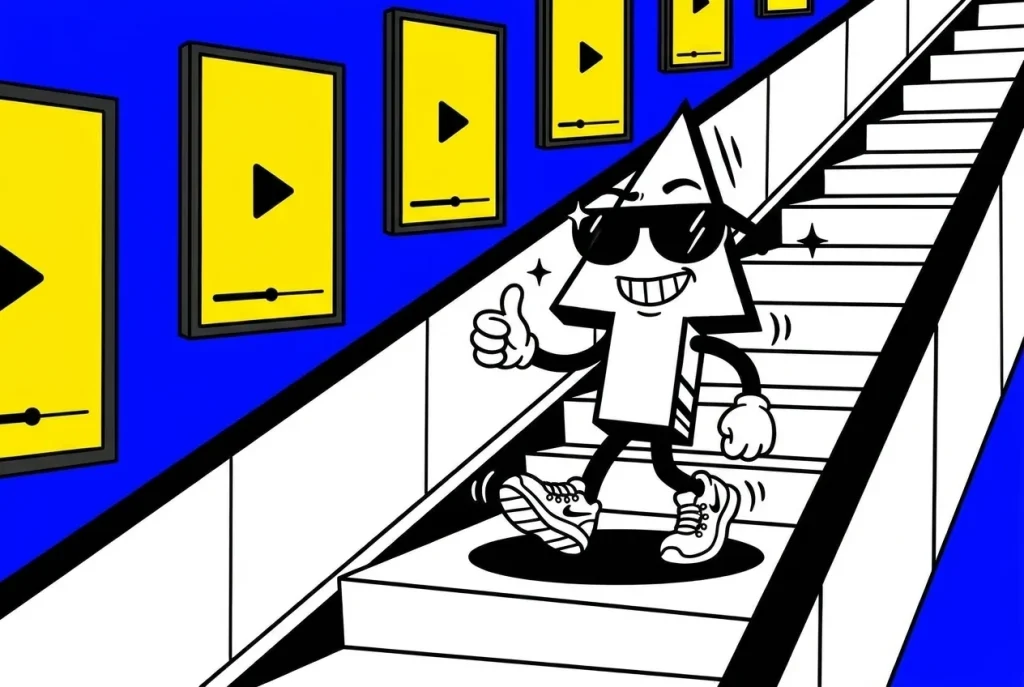
Ride an escalator on the London Underground and you pass a line of portrait screens on each side. Those are digital escalator panels, or DEPs, and they give a brand a captive audience for the whole ride.
They work best when you design for the journey, not the single screen. This guide explains how DEPs work, who sells them and how we build content that reads in motion. We make content for Global’s Underground screens and the rest of the UK transport network.
Key Takeaways
- DEPs are portrait digital screens lining escalators on the London Underground.
- Global sells London Underground advertising, including DEPs.
- People see several panels in a row, so content can play as a sequence.
- Global confirms resolution and slot length per booking, so always get the spec sheet.
- TfL’s advertising policy applies, including its HFSS food and drink restrictions.
What Digital Escalator Panels Are
DEPs are portrait screens mounted along the escalator walls at busy London Underground stations. As people ride up or down, they pass panel after panel, often showing the same ad in sync.
Global also sells digital escalator panels on the Glasgow Subway, alongside other Underground formats such as D6 screens and large Digital Gateways.
Who Sells London Underground Advertising
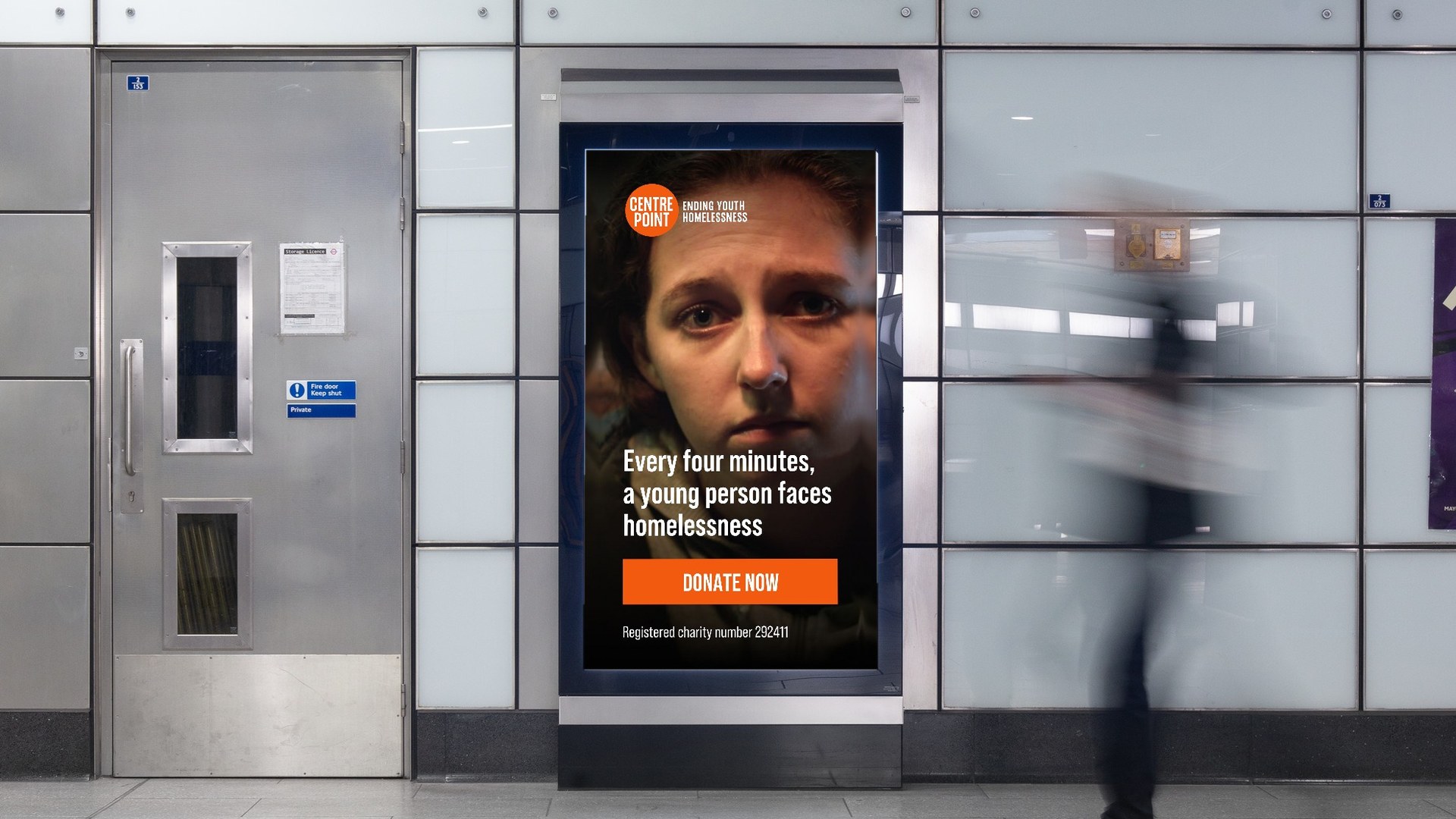
Global holds the London Underground advertising contract with TfL, so DEPs are booked through Global or a media agency. Our London Underground advertising guide covers the formats and what they cost.
Designing for People on the Move
- Use the sequence. A row of panels can tell a short story, count down or build a product reveal as people ride.
- Portrait first. Design for a tall canvas, with the main message in the middle third.
- Big type. Viewers are a few metres away and moving.
- Smooth motion. Slow, simple movement reads better than fast cuts.
- Brand on every frame. People join and leave the sequence at different points.
| Format | Where | Orientation | Best use |
|---|---|---|---|
| Digital escalator panels | London Underground, Glasgow Subway | Portrait | Sequences and reveals |
| D6 | Underground, rail, airports, malls | Portrait | Single strong message |
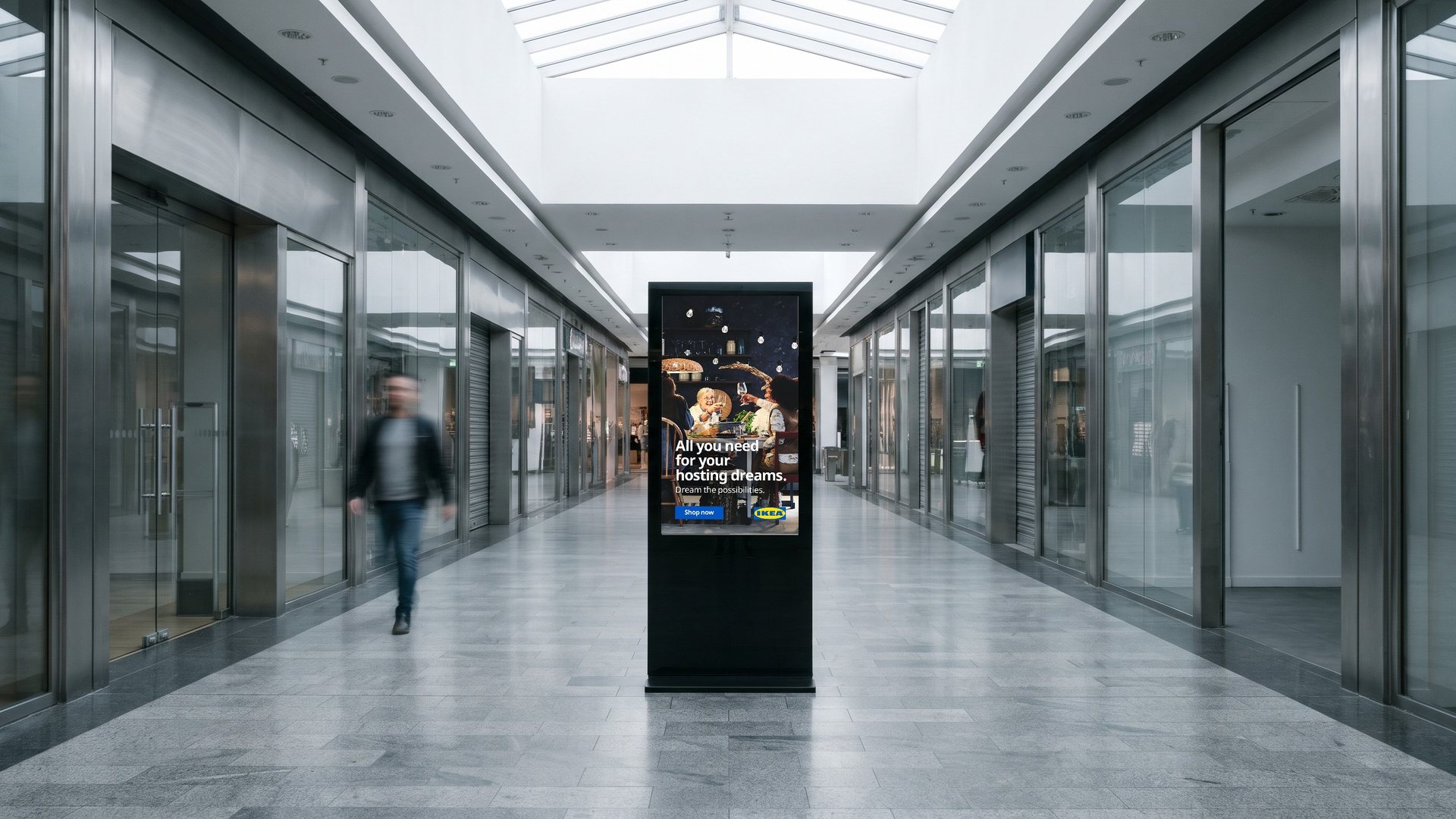
| DX48 and Digital Gateways | Underground, major stations, Elizabeth line | Landscape | Big impact, launches |
| Street Hub | London streets | Portrait, 1080x1920 | Local and tactical |
Specs and Deadlines
Global doesn’t publish DEP specs on its public production page. Its production team confirms resolution, slot length and file format with each booking. We collect the spec sheet first and build every version to it.
We also supply a static version of each design, so you are covered if a screen or station needs one.
TfL Advertising Rules
Every ad on the Underground must follow TfL’s advertising policy, on top of the usual CAP Code. That includes TfL’s restrictions on foods and drinks high in fat, salt or sugar (HFSS).
Read our junk food advertising rules before you brief a food or drink campaign for the Tube.
DEPs and Digital Ribbons: Where They Run
Global upgraded its London Underground DEPs in 2019 to an ultra-HD network that can run dynamic creative, and now runs 16 DEP sites across central London stations plus four on the Glasgow Subway. Its Digital Ribbons, a continuous line of screens along the escalator, run at stations including Piccadilly Circus, King’s Cross, Tottenham Court Road, Oxford Circus, Waterloo, London Bridge, Euston and Bank.
How to Produce DEP Creative
- Get the frame count and layout for the specific escalator. Panels run in a sequence, so your ad appears several times as people ride past.
- Decide: repeat or sequence. The same ad on every panel builds frequency; a sequence that changes panel to panel tells a short story but needs careful timing.
- Keep each panel readable on its own. Riders see panels for a second or two each, travelling at escalator speed.
- Use motion gently: smooth movement in one direction reads better than fast cuts.
- Export to the spec sheet: resolution, frame rate, duration and file type all come from the owner’s current DEP spec.
- Allow time for TfL copy approval before the booking date.
Ideas That Work on DEPs
- A product that moves up the panels as you ride.
- A countdown to a launch date, frame by frame.
- Short, funny lines that change panel to panel.
- A live feed of times, scores or prices for timely moments.
See more in our digital signage content ideas and transport advertising pages.
Last updated 14 November 2026.
Sources: Global: production specs, TfL: Global and JCDecaux contracts.
From Our Studio
Real campaigns we’ve built, with the full story in each case study.

Spa
Spa Duo launch creative on transport DOOH screens, alongside HTML5 display.
Read the case study
Kärcher
A modular DOOH and HTML5 system, delivered to every media owner’s spec.
Read the case study
Ramseier
Reduced-sugar apple juice DOOH, built from the same idea as its interactive banners.
Read the case studyFAQ
What are digital escalator panels?
They are portrait digital screens along the escalator walls at London Underground stations, showing ads to people as they ride up and down.
Who sells London Underground escalator panels?
Global sells London Underground advertising, including digital escalator panels, through its contract with TfL.
What size are digital escalator panels?
Global confirms the resolution and slot length with each booking rather than publishing them, so always ask for the spec sheet.
Can you animate content for the Underground?
Yes. DEPs and D6 screens take motion. We design smooth portrait sequences and supply a static version too.
Are food ads allowed on the Tube?
Yes, but TfL restricts ads for foods and drinks high in fat, salt or sugar, so check your product against the HFSS rules.
Can you make our DEP content?
Yes. We design sequential portrait content to Global’s spec and deliver it before the deadline. Every job is scoped and priced upfront.
Need help with
creative production?
If you’re planning a campaign or need reliable digital creative production at scale, we can help. Send us your requirements and we’ll advise on formats, builds and delivery.
Booked escalator panels? Send us the spec sheet and we’ll scope and price the content upfront.