Tube advertising puts your brand in front of millions of Londoners and visitors, in platforms, corridors, escalators and carriages. It’s some of the most valuable out-of-home space in the UK, and much of it is now digital.
This guide covers who sells it, the main formats, what drives the cost and how to make creative that works in a few seconds of dwell time. We make transport DOOH and DOOH creative for brands and agencies.
Key Takeaways
- TfL’s rail advertising estate, including the Underground, is managed by Global.
- TfL selected Global (rail) and JCDecaux (bus shelters) for new contracts worth around £2.5bn.
- Key formats include digital escalator panels, cross-track posters, digital 6-sheets, 48-sheets and car panels.
- Cost depends on format, stations, number of screens or posters, and campaign length.
- Tube creative must be readable in seconds, with one message and a big brand.
Who Sells Tube Advertising?
Transport for London (TfL) owns the space and appoints media owners to sell it. Global manages TfL’s rail estate, including the Underground, Overground, DLR, trams and the Elizabeth line. JCDecaux runs TfL’s bus shelter advertising. You can book through those media owners directly or through a media agency.
Tube Advertising Formats
- Digital escalator panels: sequences of screens along escalators, great for motion and storytelling.
- Cross-track posters: large posters facing the platform, seen while people wait.
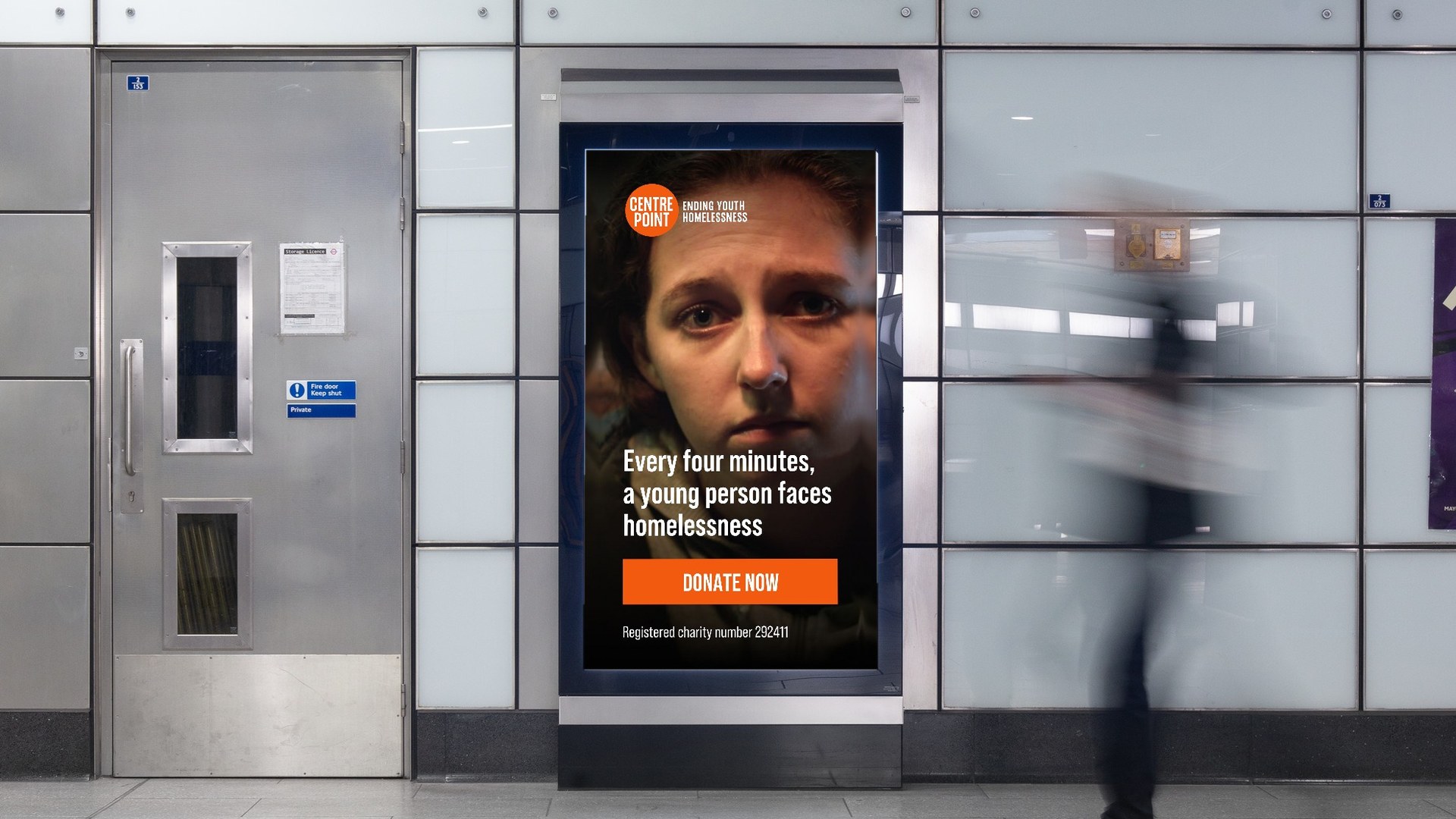
- Digital 6-sheets and corridor screens: portrait screens in passageways and ticket halls.
- 48-sheets and digital 48s: big-format posters and screens in major stations.
- Tube car panels: posters inside carriages, with long dwell time.
- Station takeovers: owning a whole station for big launches.
| Format | Where | Best for |
|---|---|---|
| Digital escalator panels | Escalators | Motion and sequences |
| Cross-track | Platforms | Dwell time, big visuals |
| Digital 6-sheet | Corridors, ticket halls | Frequency and timing |
| 48-sheet | Major stations | Big impact |
| Car panels | Inside trains | Detail and long reads |
How Much Does It Cost?
There’s no public price list, but planning guides give a useful steer. One indicates two-week costs of around £750 per 4 sheet (minimum five), £1,500 per digital 6 sheet, £2,250 per 16-sheet cross-track and about £25,000 for a digital escalator panel run, with station takeovers from £40,000 to £250,000. Cost depends on format, stations, number of sites, campaign length and time of year, and production is usually extra. See our full guide to UK billboard and Tube advertising costs.
Creative That Works Underground
- One message: people are walking or waiting, often for seconds.
- Big brand and product: readable from across a platform.
- Motion on digital: simple animation on escalator panels and 6-sheets.
- Contextual hooks: time of day, weather or station-specific messages.
- No tiny legal text: keep terms short and legible.
We build DOOH animation and static artwork to each media owner’s spec, and the matching HTML5 banners for the online part of the campaign. See our guide to bus and bus shelter advertising too.
London Underground Digital Formats
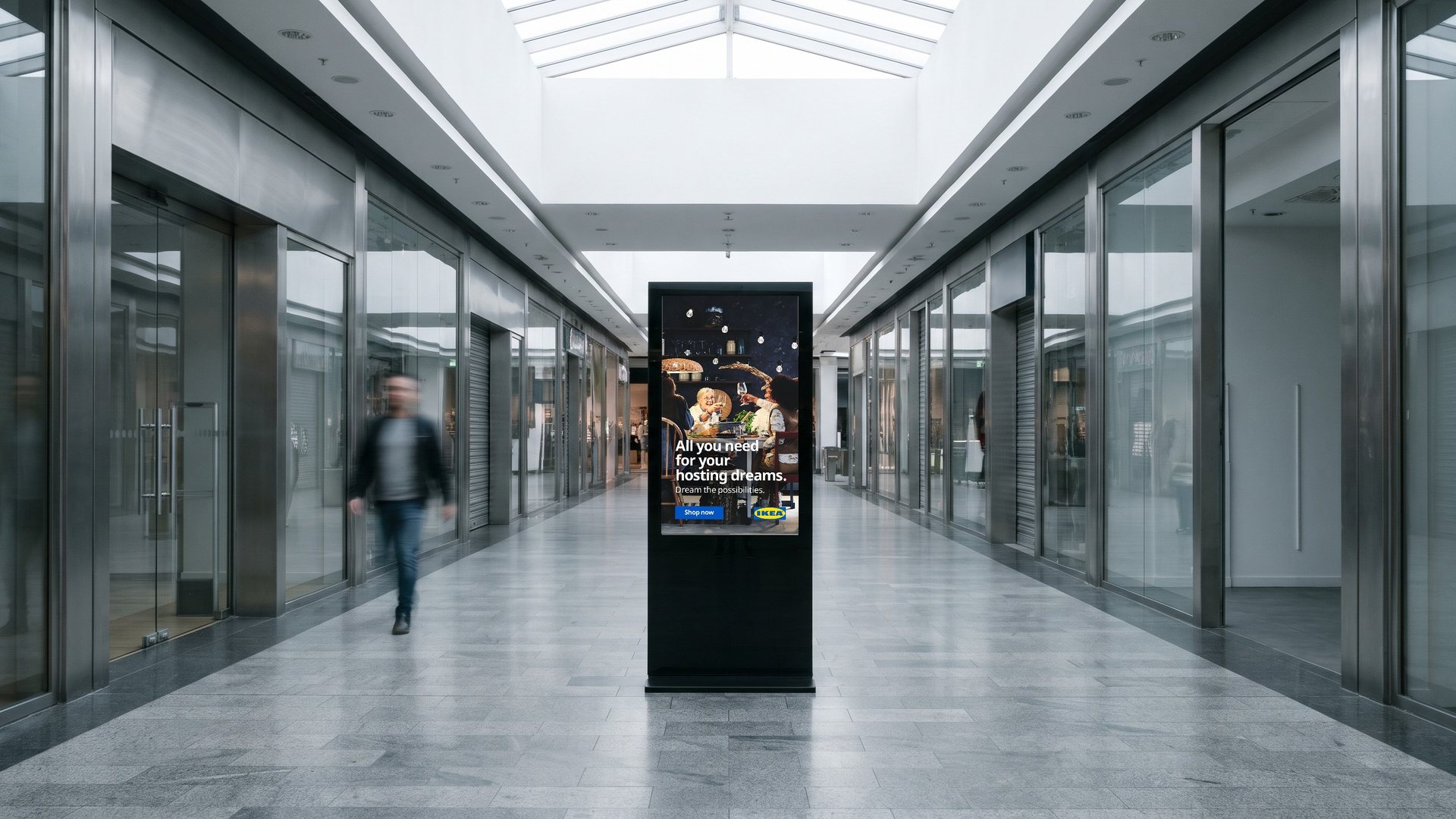
Global sells advertising across the Tube and retained the London Underground contract for a further eight years in 2024, with new Digital Gateways and Digital Escalator Panel sets added since. The main digital formats you will see on a plan:
Global’s rail and Underground digital creative generally runs in 10-second slots at 30 fps, at 1080 x 1920, 1920 x 1080 or 3840 x 2160 depending on the screen. Check each frame’s spec sheet before export, and see our digital escalator panels and D6 specs guides.
Planning Tips
- Book early for busy periods like Christmas and big launches.
- Check artwork deadlines and file specs with the media owner.
- Pair tube with mobile and social for people on the move.
- Use contextual DOOH for time-based messages.
Last updated 14 November 2026.
Sources: TfL: Global and JCDecaux selected to manage advertising contracts, London Underground Advertising: pricing guide.
From Our Studio
Real campaigns we’ve built, with the full story in each case study.

Spa
Spa Duo launch creative on transport DOOH screens, alongside HTML5 display.
Read the case study
Kärcher
A modular DOOH and HTML5 system, delivered to every media owner’s spec.
Read the case study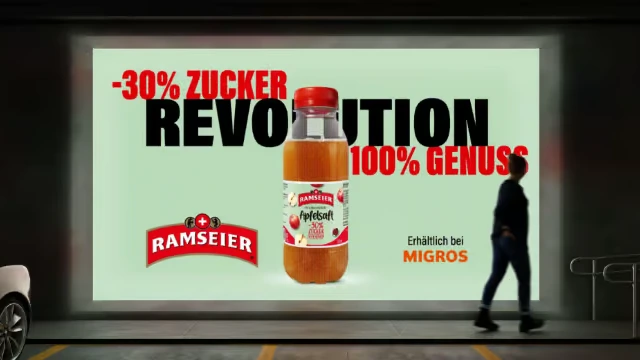
Ramseier
Reduced-sugar apple juice DOOH, built from the same idea as its interactive banners.
Read the case studyFAQ
Who sells London Underground advertising?
Global manages TfL’s rail advertising estate, including the Underground. JCDecaux runs TfL’s bus shelters.
How much does tube advertising cost?
Indicative two-week costs range from about £750 per 4 sheet to £25,000 for a digital escalator panel run, with station takeovers from £40,000. Final prices depend on format, stations and dates, and production is usually extra.
What are the main tube advertising formats?
Digital escalator panels, cross-track posters, digital 6-sheets and corridor screens, 48-sheets, car panels and station takeovers.
How is Underground advertising different from roadside?
People are closer and often waiting, so there’s more dwell time on platforms and in carriages, but corridors and escalators still need quick, simple messages.
Can tube ads be animated?
Yes. Digital escalator panels, digital 6-sheets and digital 48s all support motion, within each media owner’s specs.
Need help with
creative production?
If you’re planning a campaign or need reliable digital creative production at scale, we can help. Send us your requirements and we’ll advise on formats, builds and delivery.
Booked tube space? We’ll make the artwork and animation to spec, scoped and priced upfront.